What a screening misses
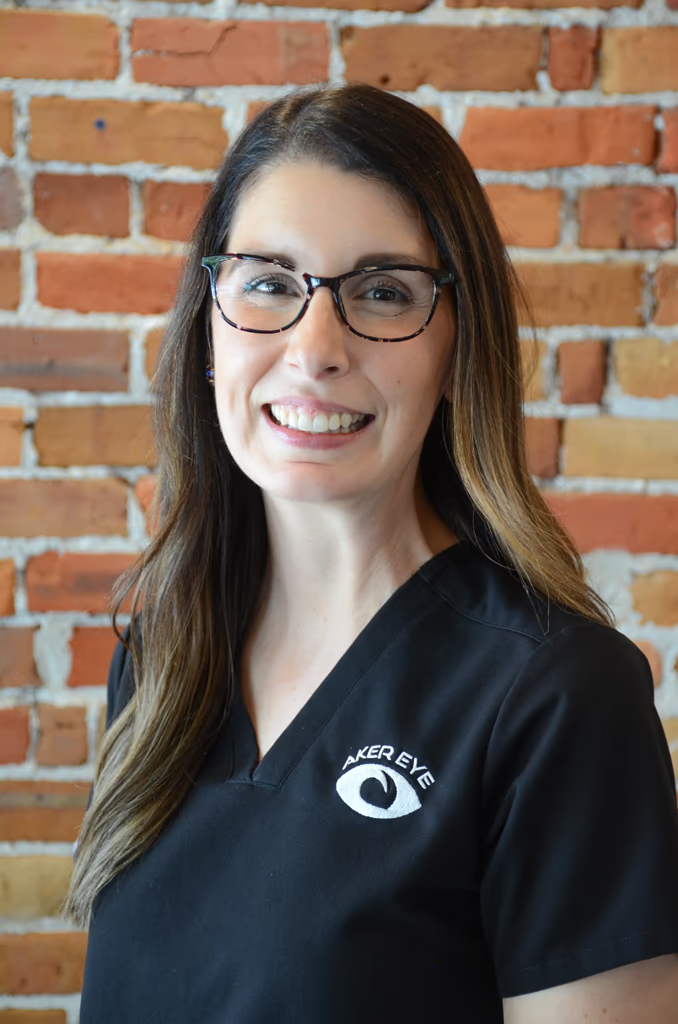
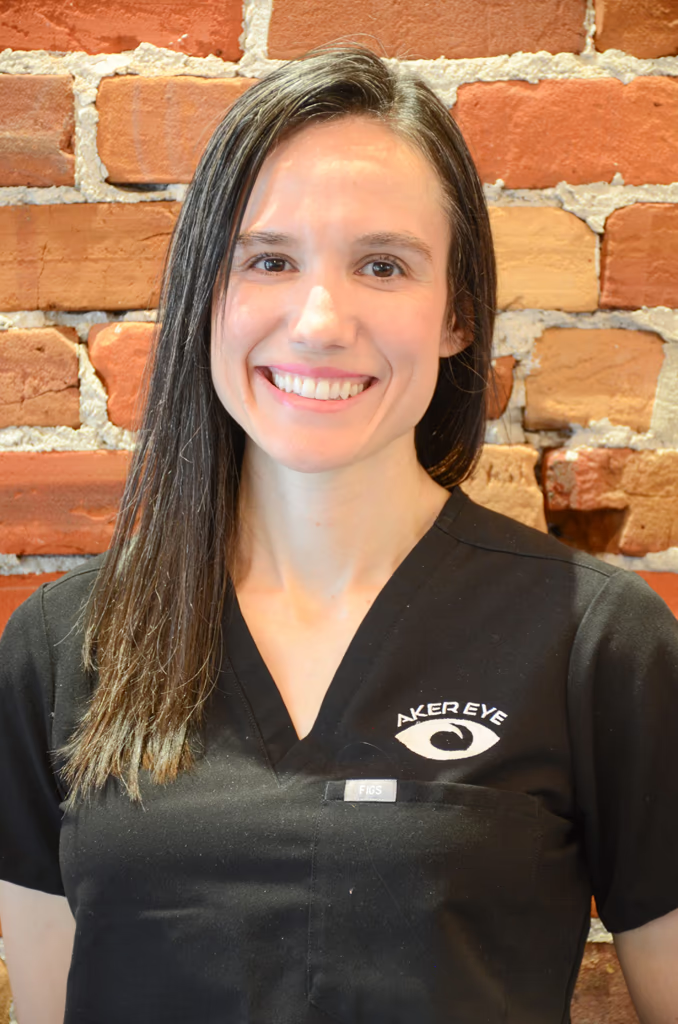
A school screening checks whether a child can read a chart across the room. Dr. Bradley's exam checks whether the eyes focus up close, follow a line of print, and team up, which is what reading asks of them. Her residency at the Illinois College of Optometry in Chicago, in pediatrics and binocular vision, is the training behind that, and it is why a child can pass a screening and still struggle in class.
A Space Coast doctor
She is from Melbourne, went to the University of Central Florida and then Nova Southeastern for optometry school, and practiced in Palm Bay and Merritt Island before joining us in January 2018. Her whole career has been on the Space Coast. She is a Fellow of the American Academy of Optometry and a member of the College of Optometrists in Vision Development.
A first visit with her
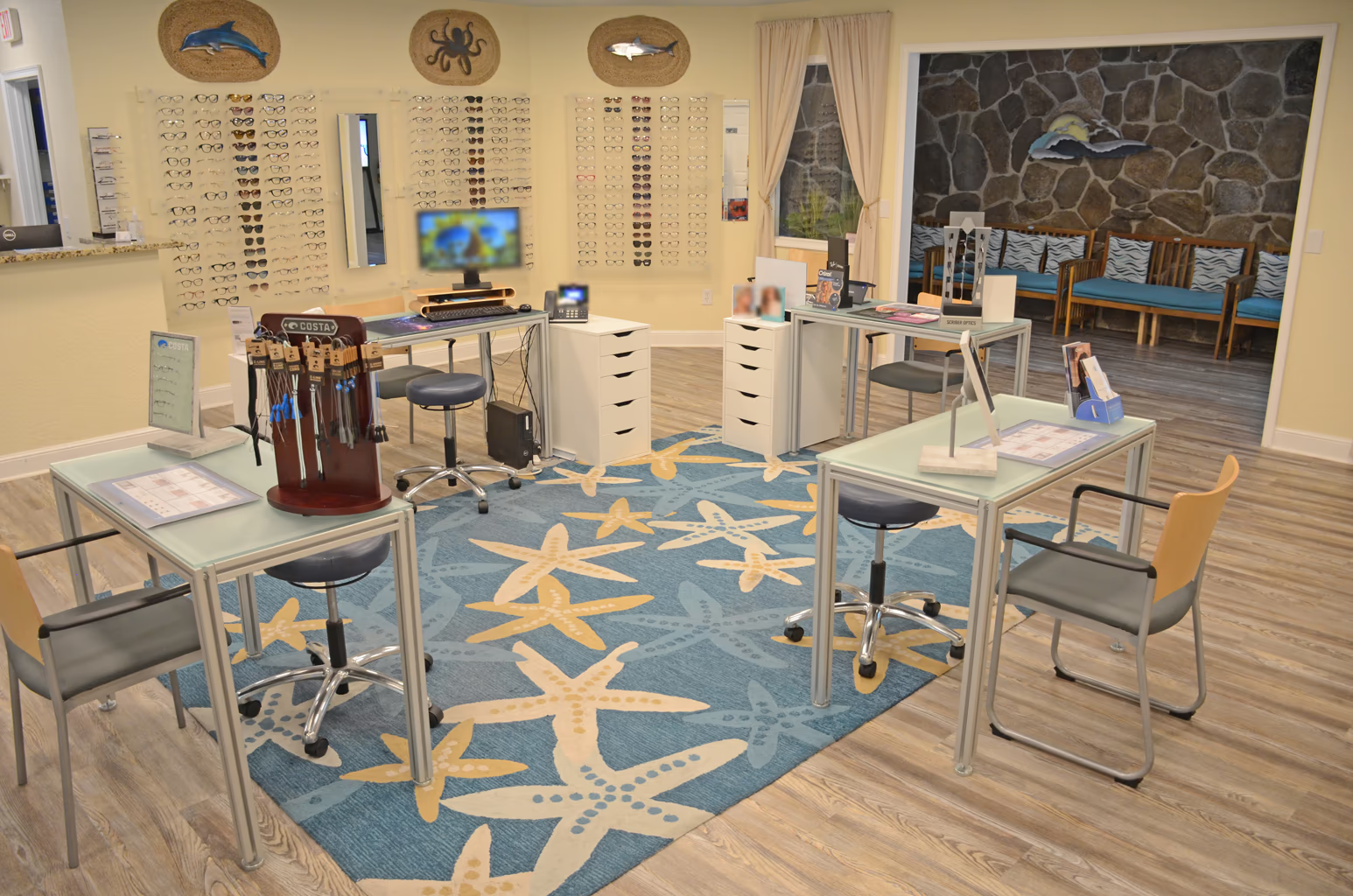
She welcomes children of any age, and the younger the better. A first exam takes about an hour and includes dilating drops, so plan a quiet afternoon. She checks vision, depth perception, color vision, how the eyes line up, and the health of the eyes, and she explains what she found in words a parent can use. If glasses are the answer, picking the pair is the fun part, and she treats amblyopia (lazy eye), strabismus (an eye turn), and binocular vision disorders, and offers myopia management for nearsightedness that keeps climbing.
Kids are the specialty, not the limit
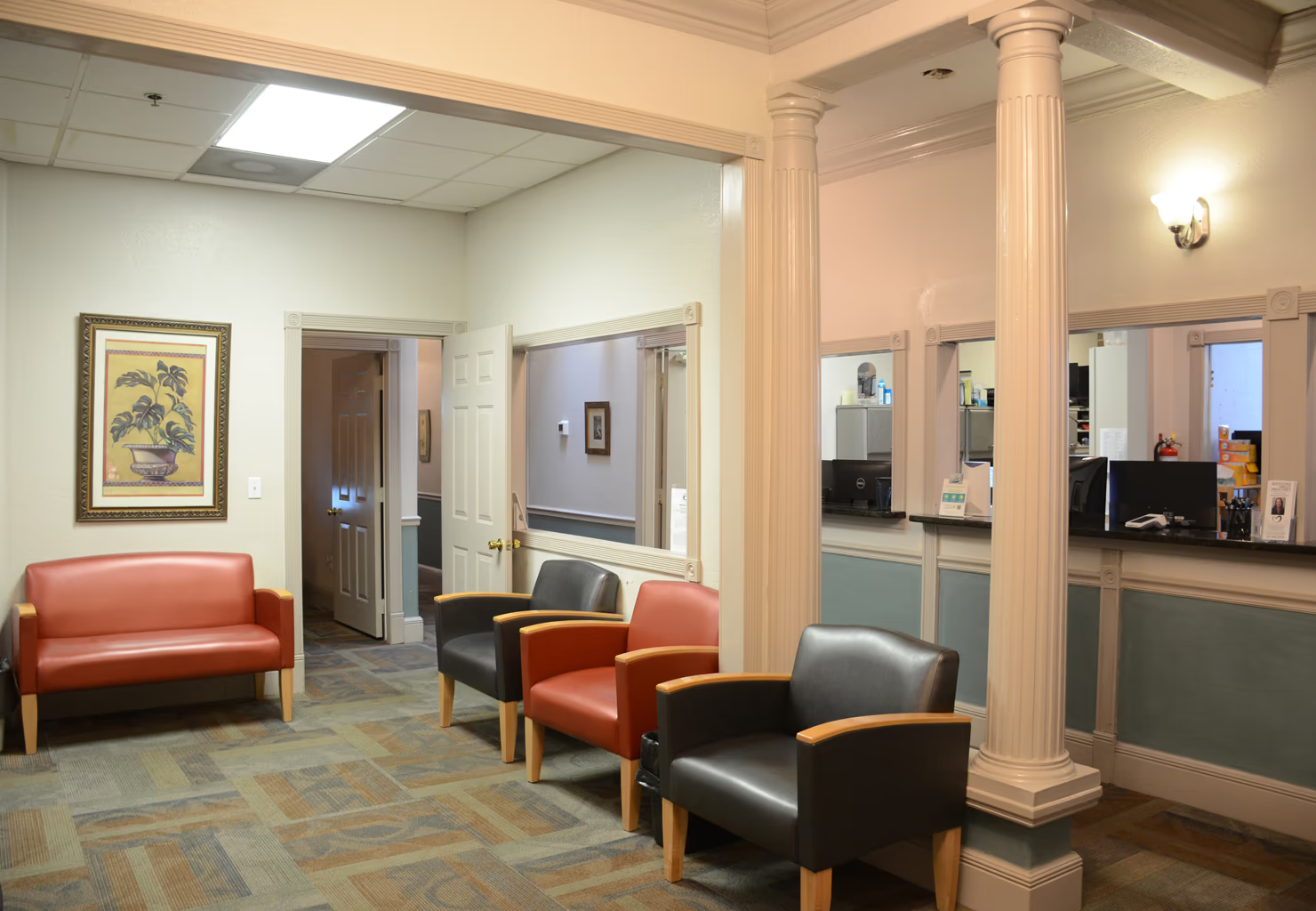
Parents and grandparents see her too, for comprehensive eye exams, contact lens fittings, dry eye treatment, eye disease care, and the urgent visit when something is wrong today. She practices at our Playalinda office, where you park at the door and everything is on one floor, which helps when you have children in tow.
Off the clock
She lives in Viera with her husband, their two kids, and a Husky named Bailey. She runs local races, reads, and spends weekends at the theme parks with her family.